Are Metal Utensils Safe for Toddlers? Your Complete FAQ Guide
Many parents wonder when it's appropriate to transition from plastic to metal utensils. This FAQ answers your most pressing questions about introducing stainless steel silverware to toddlers, addressing safety concerns, timing, and what features to look for in kid-friendly metal cutlery.
Common Questions About Metal Utensils for Toddlers
Transitioning your toddler from plastic utensils to metal silverware marks an exciting developmental milestone. However, many parents share similar concerns about safety, timing, and selecting appropriate utensils. Here are answers to the most frequently asked questions.
Are Metal Utensils Actually Safe for Toddlers?
Yes, metal utensils designed specifically for toddlers are safe when they feature kid-appropriate design elements. The key is choosing utensils with rounded edges, smooth finishes, and ergonomic handles that fit small hands comfortably. Look for non-toxic materials like 18/0 stainless steel that won't rust or chip.
When Should I Introduce Metal Silverware to My Child?
Most toddlers are ready for metal utensils between 18 months and 3 years old, once they've developed basic self-feeding skills with chunky plastic utensils. Watch for signs like improved hand-eye coordination, interest in using "grown-up" utensils, and the ability to bring food to their mouth consistently.
What Makes Kid-Sized Metal Utensils Different from Adult Ones?
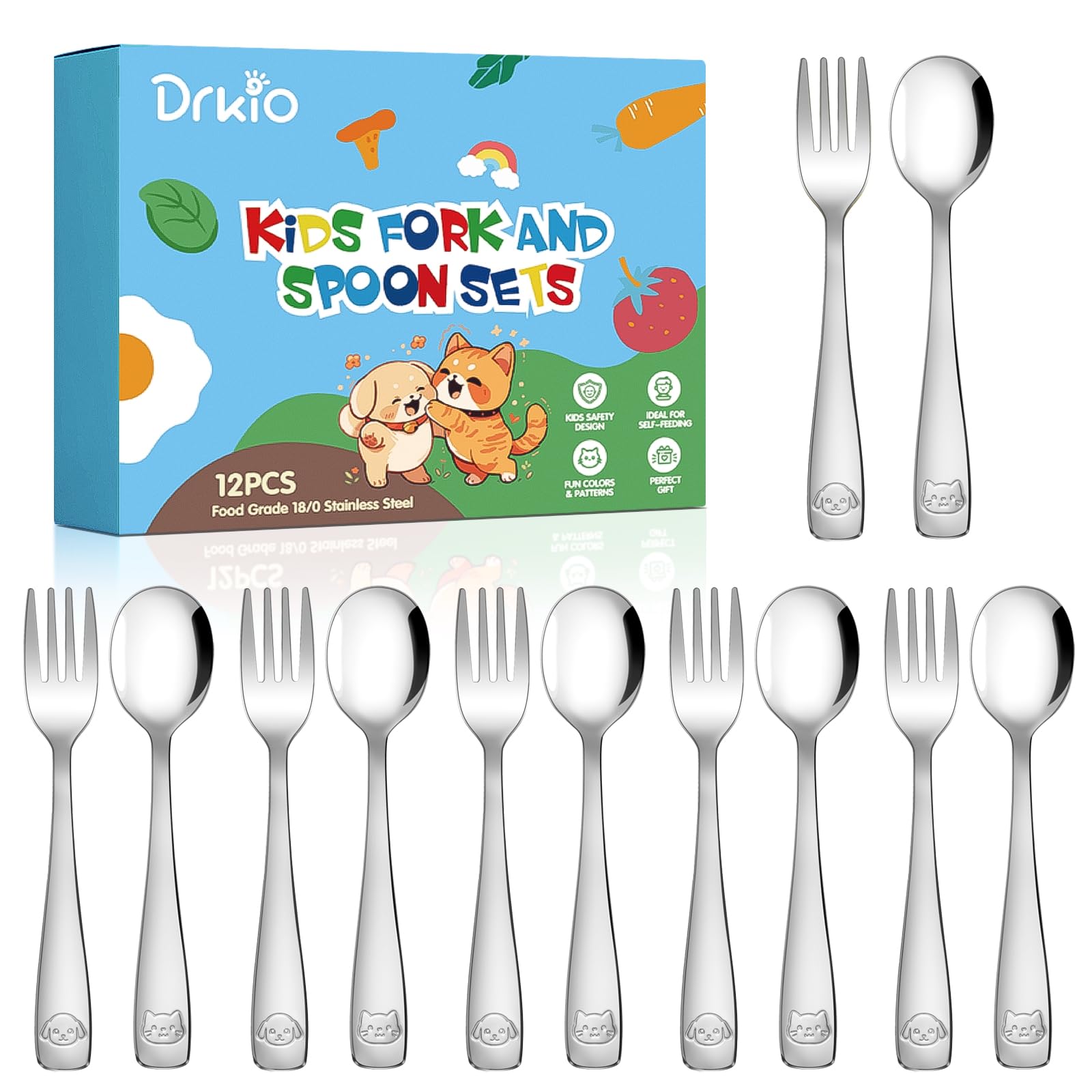
Child-specific metal utensils feature shorter handles for better control, smaller spoon bowls and fork tines proportioned for little mouths, and lighter weight for easier manipulation. The 12Pcs Stainless Steel Toddler Utensils Small Metal Kids Silverware from DRKIO exemplifies these design principles with ergonomically crafted handles and smooth edges that prioritize safety alongside functionality.
How Many Utensils Should I Have for My Toddler?
Having multiple sets prevents mealtime stress when utensils are in the dishwasher or lost under furniture. A 12-piece set with six forks and six spoons provides enough for daily rotation. This quantity accommodates multiple meals, backup pieces, and the inevitable dropped utensils during the learning phase.
Will Metal Utensils Damage My Child's Teeth or Gums?
Properly designed metal utensils for toddlers feature rounded fork tines and spoon edges that won't harm developing teeth or sensitive gums. The smooth, polished finish prevents scratching, and the appropriately sized utensil heads reduce the risk of poking tender mouth tissues.
Are Metal Utensils Easy to Clean?
Stainless steel utensils are dishwasher-safe and far more hygienic than plastic alternatives that can harbor bacteria in scratches. They don't retain odors or stains from foods, and their durability means they maintain their sanitary surface through countless wash cycles.
Can Fun Designs Help with the Transition?
Absolutely. Engaging designs like animal motifs can transform mealtime resistance into excitement. The 12Pcs Stainless Steel Toddler Utensils Small Metal Kids Silverware features embossed kitten and puppy designs with a mirror-polished finish that captures young children's attention while encouraging independent eating.
Check Latest PriceFinal Considerations
Metal utensils designed for toddlers bridge the gap between chunky plastic starter utensils and full-sized adult silverware. They support developing motor skills while teaching children to handle more grown-up tools safely. The 12Pcs Stainless Steel Toddler Utensils Small Metal Kids Silverware offers a budget-friendly solution with quality construction, playful design, and the quantity needed for daily use.
Who This Works For
This type of utensil set suits parents transitioning toddlers aged 18 months through early school years from plastic to metal silverware. Families seeking durable, easy-to-clean options that grow with their child will appreciate the longevity and practicality.
Who Should Look Elsewhere
If your child is still mastering basic self-feeding with chunky-handled plastic utensils, wait a few more months before introducing metal silverware. Families preferring silicone-coated options for extra cushioning should explore hybrid designs instead.
Related Buying Guides
- Diaper Bag Audit: Does the CIMAXIC or cephira Wipe Dispenser Earn Its Spot?
- 3 Sprouts vs Giftativity Baby Closet Dividers: Which Set Grows With Your Baby Longer?
- Baby Shower Cap Guide: Making Bath Time Tear-Free for Infants and Toddlers
- Packing for the Grandparents: HelloBaby vs AnKeKe No-WiFi Monitors for Travel and Visits
- First Baby Monitor for New Parents: HelloBaby vs AnKeKe Brand Comparison
- Best Baby Closet Dividers for First-Time Parents Who Need Simple Setup